Moving can be exciting — but in Long Beach, local rules and tight streets make it trickier than it looks. Restricted parking, narrow loading zones, and building elevator windows can lead to damaged belongings or surprise fees if you don’t plan ahead.
Plan early to keep your move on schedule and under budget. Prepare for common local challenges — reserve elevator time, secure parking permits, and note narrow-street access — and you’ll save time and avoid extra charges. Choosing a licensed moving company in Long Beach means experienced movers handle the heavy lifting while you settle in. For local and nearby moves (including greater Los Angeles), pick a company that is licensed, insured, and has a local team with verified reviews.
Key Takeaways
- Plan early — reserve elevators and apply for permits to avoid delays.
- Hire licensed professionals to reduce damage risk and speed the move.
- Consider reputable local companies (ask for references and reviews).
- Use professional packing services for fragile items when possible.
- Get a written, free quote and compare moving company estimates before booking.
Underestimating the Complexity of Local Moves
A short-distance move in Long Beach may look easy — until restricted parking, narrow residential streets, or strict loading-hour windows slow you down. Local moves need planning, the right equipment, and a crew that knows city rules. Hiring experienced movers who work the area regularly reduces surprises and keeps your schedule on track.
Why Long Beach Geography Matters
Neighborhoods like Belmont Shore, downtown Long Beach, and Bixby Knolls present different access challenges for large trucks and timed building deliveries. Long beach movers and beach movers familiar with these routes know when permits, off-peak windows, or smaller vehicles are required to avoid fines and delays.
- Measure access: note driveway widths, overhead clearance, and elevator sizes.
- Parking & permits: check city permit rules early for curbside loading.
- Alternate plans: confirm if crews can stage smaller vans or use dollies for tight streets.
Local movers long beach teams can adjust equipment and crew size en route to keep your move efficient. Ask your estimator about access, permits, and the plan for your neighborhood — this simple check prevents last-minute reroutes and added costs. (Also useful for moves into nearby Los Angeles areas.)
Choosing the Wrong Moving Company in Long Beach
Finding a reliable moving company matters more than choosing the cheapest quote—low price alone can lead to damage, delays, or surprise fees. Vet prospective companies so your move stays on schedule and your belongings arrive intact.
Picking the wrong company can cost time, money, and irreplaceable items. Look for clear documentation, verified reviews, and transparent pricing before you book.
Edit
Delete
Watch: common moving pitfalls and how licensed crews handle them.
The Importance of Hiring Licensed Movers
Always ask for the mover’s California or DOT license number, proof of insurance, and a written estimate before you book. Licensed movers provide documentation and accountability that helps resolve disputes and clarifies pricing.
Hiring experienced professional movers reduces the risk of lost items and unexpected costs because trained teams follow safety rules and use proper packing and equipment.
Red Flags to Watch Out For
Quick checklist — walk away if a company shows any of these signs:
- No written estimate or evasive answers about fees (ask for a line-item quote).
- Poor communication — slow, unclear, or inconsistent responses before booking.
- Suspiciously low quotes that omit common fees (stairs, long carry, permits).
- Vague business details — no physical address, missing license number, or inconsistent online info.
Example: an online quote that omits stair or long-carry fees can double the final bill on moving day. Always compare full written estimates from multiple moving companies and read verified reviews to confirm service quality and customer service.
For peace of mind, request references and an itemized price breakdown. Ask your estimator for a license number you can verify with the state registry and for a written quote showing included services and potential surcharges.
Failing to Plan for Packing and Organization
Good organization is one of the simplest ways to keep your move on schedule and protect your belongings. Many people underestimate volume until packing starts, which increases stress, breakage risk, and the chance of extra trips or higher costs.
Coordinating early with experienced movers—especially apartment movers—speeds the process and keeps fragile items safe. Decide what to pack yourself, what needs professional handling, and where items will go at your new home so moving day runs smoothly.
Benefits of Professional Packing Services
Professional packing services save time and reduce breakage. Trained crews use industry materials and techniques to wrap glass, electronics, and antiques, label boxes clearly, and organize loading for efficient unloading. If you’re budgeting, partial packing (kitchen and fragile items) is a cost-saving middle ground—ask for pricing on partial vs. full service when you get quote requests.
Essential Supplies: Wardrobe Boxes, Shrink Wrap, and Tape
The right supplies prevent common problems: wardrobe boxes keep clothes hanging and wrinkle-free; shrink wrap guards furniture from moisture and scuffs; heavy-duty tape and sturdy boxes protect contents during transport.
Quick packing checklist:
- Label each box with room and a short contents list.
- Use color-coded stickers for “open first” or priority boxes.
- Keep an essentials box with toiletries, chargers, and important documents for the first 24 hours.
- Wrap fragile items individually and pad electronics with bubble or foam.
- Estimate quantities: typical 1BR (roughly 30–45 boxes), 2BR (60–90) — request a tailored estimate from your movers.
- Consider partial packing to save on labor while protecting breakables.
Ignoring the Need for Furniture Protection
It’s easy to focus on boxes and forget furniture protection. Without proper padding and handling, sofas, tables, and antiques can get scratched, dented, or structurally damaged during transit. Protecting furniture up front reduces repair costs and preserves value.
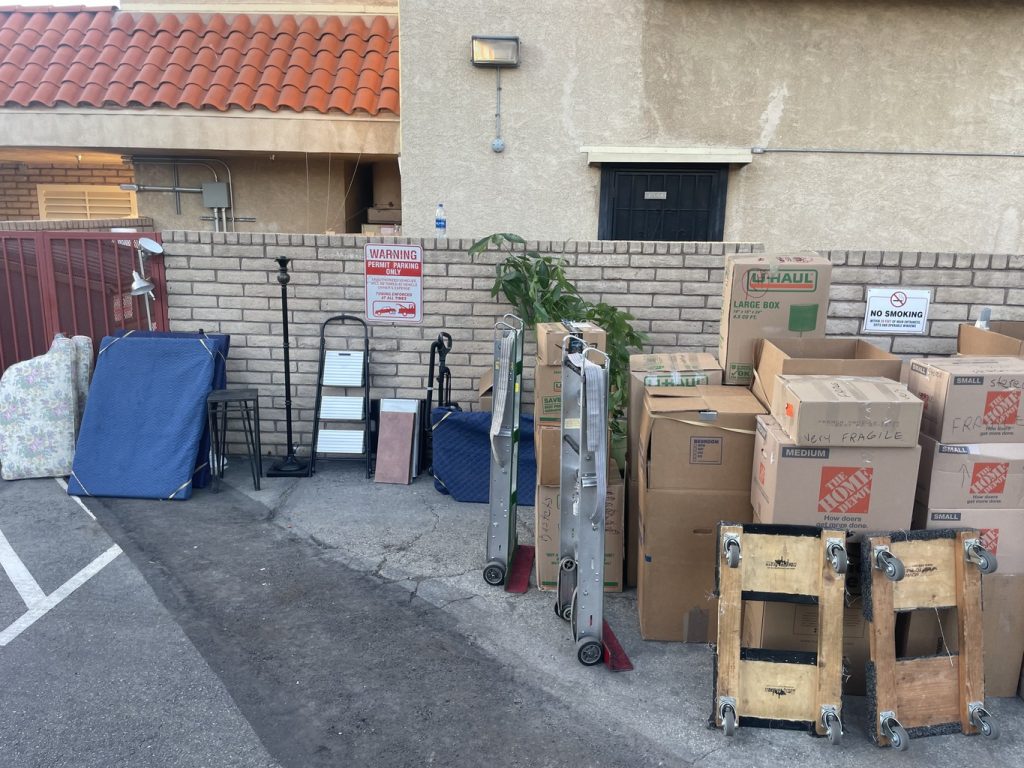
Why Professional Furniture Movers Make a Difference
Hiring experienced movers and specialized furniture movers brings the right tools and techniques—dollies, straps, corner protectors, and protective hardware—to move heavy or delicate pieces without harming your home or the items themselves.
Key benefits:
- Protect items with blanket wrap, corner guards, and secure strapping to prevent scuffs and shifting.
- Prevent injury by using team lifts, appliance dollies, and proper lifting techniques.
- Save time with trained crews and specialized equipment that speed loading and unloading.
Using Moving Blankets and Proper Padding
Quality padding matters. Moving blankets and foam absorb road vibration; shrink wrap and corner protectors stop moisture and scuffs. Professional teams fully wrap couches, mattresses, and tabletops and secure them in the truck.
Protection checklist before moving day:
- Photograph high-value items and note existing damage for records.
- Ask about insurance or declared-value coverage for antiques and valuables.
- Confirm padding counts—large sofas typically use an average of 2–4 moving blankets plus straps (estimate varies by item).
- If storing, discuss padding and stacking with your mover or storage provider to protect pieces in short- or long-term storage.
When you request a quote, ask the company how they handle padding and whether declared-value coverage is available so protection is included in your plan.
Neglecting Disassembly and Reassembly Requirements
Moving day can bring surprises when large furniture won’t fit through doorways, stairwells, or elevator bays. Underestimating the tools and planning needed for bulky pieces causes delays, lost parts, and damage. Rely on professional moving services and skilled furniture movers to avoid those problems.
Saving Time with Expert Disassembly Services
Skilled furniture movers arrive with the right gear and methods to disassemble items, label components, and store hardware so reassembly is fast and accurate. Always confirm whether disassembly/reassembly is included or quoted separately, and request a written line-item so you know what the company will handle.
Ensuring Your Furniture Fits Through Doorways
Before moving day, measure large pieces and the narrowest passages — height, width, and diagonal clearance all matter. Photograph oversized items and note any tricky hallways or stair turns for the crew.
Five quick prep steps:
- Measure furniture and the tightest doorways/elevators.
- Flag items that require disassembly (beds, wardrobes, sectionals).
- Label hardware bags with the item name and tape a photo to the bag or box.
- Confirm whether disassembly is a separate line in your estimate.
- Ask the movers about alternate strategies (smaller trucks, different entries) if pieces don’t fit.
If an item won’t fit, experienced movers and furniture movers can remove legs, doors, or rails to create clearance or suggest another approach. For budgeting, request a disassembly estimate that lists the tasks, parts handling, and expected reassembly time so you can plan the move accurately.
Waiting Until the Last Minute to Book
Sometimes moves happen on short notice. While licensed movers can protect your belongings in urgent situations, booking early gives you more options, better pricing, and time to arrange permits or elevator reservations.
The Advantage of Same-Day Moving Options
Same-day moves are a valid option for last-minute needs but have limited availability and may carry surcharges or minimums. If you require a quick move, be prepared to act fast and confirm fees up front.
- What to have ready: a short inventory, an essentials box, photo ID, and a confirmed payment method.
Pro tip: demand rises on weekends and at month-end, so calling early improves the chances of securing the right truck and crew. When comparing moving companies, ask about minimum charges, estimated travel time, and any extra fees so you can evaluate options transparently.
Securing Your Date
Booking ahead locks in a dedicated team, the correct truck size, and time to handle logistics. If you need same-day service, request a clear, itemized estimate and confirm availability before you commit.
To compare options or check same-day availability, request a free quote or get quote online — clear policies and upfront pricing help you avoid surprises and make the move smoother.
Overlooking Budgeting and Hidden Costs
Clear budgeting from the start prevents last-minute surprises on your Long Beach move. In addition to labor, common extra charges include stair fees, long-carry charges, parking permits, and packing materials—these add up fast unless you get an itemized estimate.
Understanding Hourly vs. Flat Pricing
Ask each moving company whether they bill hourly or offer flat-rate options. Hourly can be fair if the crew size and truck match your job; flat rates give predictability for set moves. Compare these points when evaluating pricing:
- Hourly: pay for time worked — confirm crew size and truck to avoid inefficiency.
- Flat rate: predictable total cost — confirm what services and materials are included.
Sample cost (illustrative): a short local move with 2 movers + truck will show a base hourly rate plus fuel and any building or stair fees—always treat examples as estimates and confirm line-item pricing.
Requesting Free Moving Quotes for Transparency
Get a written quote before you commit. A free quote that lists inventory, access constraints, distance, and any special services (packing or storage) lets you compare companies fairly.
Quick checklist for comparing quotes:
- Compare estimated hours and crew size rather than just the bottom-line number.
- Check truck size and whether materials/packing are included.
- Confirm insurance, declared-value options, and exact pricing for common surcharges (long carry, stairs, bulky items).
- Request an itemized quote that separates labor, materials, permits, and any storage fees.
If you need short- or long-term moving storage, ask for bundled pricing—some movers offer better value when move and storage are booked together. Request an itemized estimate that includes any moving storage line items so you can compare true options and lock in pricing with confidence.
Forgetting to Coordinate Logistics in Service Areas
A smooth move requires more than loading a truck — it needs route planning, permit coordination, and familiarity with neighborhood rules across Southern California. Hiring experienced long beach movers brings crews who know local routes, permit needs, and timing to avoid traffic delays and parking fines so your move stays on schedule.
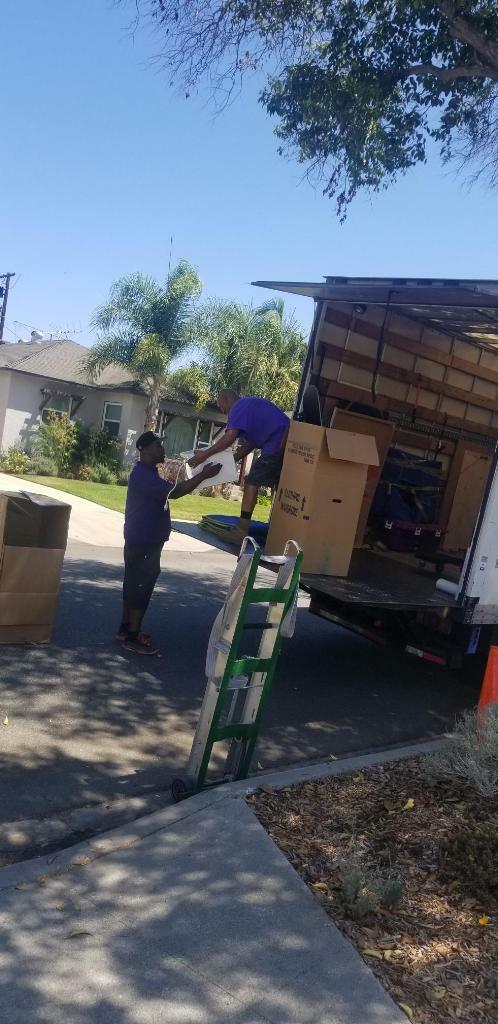
Serving Long Beach, Lakewood, Bellflower, and Beyond
Moves that cross city lines need local knowledge. Our teams plan routes in and out of Long Beach, Lakewood, and Bellflower to minimize drive time and avoid restricted zones. Choosing local long beach movers or beach movers familiar with nearby Los Angeles corridors reduces fuel use, truck hours, and the chance of unexpected delays.
Quick moving-day logistics checklist to share with your movers:
- Confirm exact pickup/drop-off addresses, unit numbers, and access notes.
- Reserve elevator time and verify loading-dock windows with building management.
- Report narrow streets, low branches, or tight turns so the crew can plan truck size and equipment.
- Discuss parking and permit needs early to secure loading zones and avoid citations.
Navigating Parking and Access in Anaheim and Paramount
Dense cities like Anaheim and Paramount may restrict large-truck access or require special permits. Plan alternate parking, smaller trucks, or extra carry time to prevent last-minute complications — crews commonly stage smaller vehicles or use dollies for tight access points.
If you’re unsure about rules in your area, give your mover the exact address and they’ll recommend the right truck size and plan. A brief logistics check with your moving company before the big day simplifies the process, reduces drive distance, and keeps your move on time and on budget.
Underestimating the Physical Toll of Moving
Moving is physically demanding—lifting boxes, appliances, and furniture requires stamina, proper technique, and the right equipment. Attempting a large DIY move can lead to exhaustion or injury and increase the risk of damage to your belongings or home.
Hiring trained movers protects your body and your items. Professional crews use safe lifting methods and the proper gear to handle heavy loads efficiently.
The Value of Hiring Experienced Movers
Professional movers bring training, practical experience, and equipment—appliance dollies, straps, furniture sliders, and skid boards—that reduce damage and speed the job. This saves time and truck hours while lowering the chance of injury.
- Handle heavy or fragile items safely to prevent breakage and injury.
- Reduce personal strain with team lifts and proper techniques.
- Finish moves faster using professional-grade tools and proven methods.
Achieving a Stress-Free Moving Experience
Choose crews with relevant move experience so your possessions arrive intact and on schedule. Ask about insurance and declared-value options for high-value items when you request services.
Quick safety checklist if you help on moving day:
- Warm up briefly and wear closed-toe shoes and gloves.
- Lift with your legs, not your back; avoid twisting while carrying.
- Do not overfill boxes—keep weights manageable per box.
- Tell the company about mobility concerns so extra personnel or equipment can be included in the quote.
Failing to Communicate with Your Moving Team
Clear communication before and during moving day prevents delays, misplaced items, and unexpected costs. Share access details, timing, and special instructions up front so the crew works efficiently and safely.
How to Prepare Your Home for Arrival
Prepare your space so movers can work quickly and without hazards. A short walkthrough on arrival helps everyone identify priority boxes and sensitive pieces.
Pre-move checklist:
- Clear a path from doors to truck; remove obstacles and secure loose rugs or cords.
- Label boxes by room and mark “open first” or “fragile” for priority handling.
- Set aside valuables and irreplaceable items so the crew knows not to load them.
- Designate one point person to answer the crew’s questions on moving day.
- Confirm estimate and truck arrival time 24 hours beforehand; have photo ID and payment ready.
If you have special or high-value items, tell your mover early and request specific packing services so the right materials and crew size are scheduled. Good communication is one of the easiest ways to improve the service you receive and protect your belongings.
Contact and Next Steps
To streamline planning, request an itemized quote that includes packing and any special handling. When you contact your moving team, provide exact addresses, access notes, and an inventory so the crew and staff arrive ready to work.
Conclusion
A successful Long Beach move starts with planning and the right partner. Avoid common mistakes—underestimating logistics, skipping professional packing, or booking at the last minute—to protect your belongings, save time, and reduce stress.
Professional movers and moving companies provide the equipment, training, and procedures that make complex moves manageable for families and businesses. When evaluating providers, ask for a license number, proof of insurance, and verified reviews so you can hire with confidence.
If you need flexible options—from full-service packing to expedited moves—compare companies on itemized pricing and included services. Request an itemized quote that lists crew size, truck type, materials, permits, and any potential surcharges so you can see true value and avoid surprises.
Ready to lock in your date? Get a free, itemized estimate to compare moving companies and secure the right team for your moving needs in Long Beach and surrounding areas. With the right plan and verified providers, your move will be smooth and on schedule.