Every year, millions of Americans pick up and start over in a new home — and for a lot of people, moving is one of life’s most stressful chores. Whether you’re relocating a studio in Belmont Shore, moving a family out of Bixby Knolls, or shifting an office between Anaheim and downtown Long Beach, careful planning and the right help make all the difference. In Southern California, choosing the right long beach movers can turn a chaotic day into a manageable one.
Your belongings are more than boxes — they’re the photos, furniture, and paperwork that keep life running. This guide will walk you through how to pick dependable Long Beach movers with confidence. It explains what to check, what questions to ask, and which services — from packing to loading, furniture protection to disassembly/reassembly — matter most for a smooth move.
Key Takeaways
- Choose companies with verifiable local credentials and recent customer feedback from Long Beach, Orange County, and Los Angeles County neighborhoods.
- Always get a written estimate so you understand exactly what’s included and avoid surprise charges.
- Confirm insurance and valuation options (cargo and liability) to protect high-value items in transit.
- Ask whether the crew has specific experience with residential moves, apartment moves with stairs/elevators, or office relocations in Southern California.
- Check if professional packing and unpacking services are available — they save time and reduce damage risk.
- Make sure the team uses modern equipment and proven furniture-protection methods (padding, straps, disassembly/reassembly) for safe handling.
Why Selecting the Right Partner Matters for Your Long Beach Relocation
Choosing the right moving company makes the difference between a day of friction and a day that actually feels like a fresh start. Whether you’re moving a family home in Belmont Shore, renting a unit near Alamitos Beach, or relocating an office inside Los Angeles County, the crew you hire affects the safety of your belongings and the timeline of your move.
Professional movers are more than strong backs and a truck — they’re trained in packing fragile items, navigating tight city streets, and protecting floors and doorways. In short, a dependable partner helps you avoid injury, broken furniture, and surprise delays so you can focus on settling in.
“The bitterness of poor quality remains long after the sweetness of a low price is forgotten.”
Consider a quick example: moving a queen mattress and a bookcase out of a second-floor walk-up in downtown Long Beach. A professional team plans the route, pads furniture, brings the right straps and dollies, and completes the job more quickly — and more safely — than an untrained group of friends.
| FeatureProfessional MoversDIY Moving | ||
| Safety & Training | Trained crews, insured | Higher risk of injury |
| Speed & Planning | Efficient workflow, route planning | Unpredictable timing |
| Tools & Equipment | Moving-grade dollies, pads, straps | Basic rental gear |
| Liability | Options for coverage and claims | Out-of-pocket for damages |
When you compare moving companies, focus on how they reduce the things that commonly add stress: unclear timelines, inadequate padding for furniture, and unfamiliarity with local restrictions (parking permits, elevator reservation windows, etc.). A good local moving company will spell out the services they provide — packing, loading, disassembly, furniture protection — and explain how those services prevent common problems on moving day.
How to Choose the Best Long Beach Movers for a Stress-Free Move
Finding reliable long beach movers pays off the day your last box is in place. A little upfront homework — checking credentials, reviews, and service details — prevents a lot of headaches later.
Start with a simple checklist when researching moving companies: how long they’ve been operating, whether they list local service areas (Long Beach, Anaheim, Orange County, Los Angeles County), and whether they offer the specific services you need — packing, furniture disassembly/reassembly, loading and unloading, and short-term storage. “Experienced” can mean different things depending on the company, but as a rule of thumb, teams that have handled a variety of local residential and apartment moves for at least a few seasons will be better prepared for common Southern California challenges.
Price matters, but the lowest quote isn’t always the best value. Ask for a detailed written estimate that breaks down labor, truck time, packing materials, and any potential additional charges. That lets you compare moving companies on an apples-to-apples basis instead of simply choosing whatever is cheapest.
Customer reviews are a goldmine — but read them with a critical eye. Look for patterns rather than single complaints. Helpful signs include:
- Responses from the company addressing problems and explaining solutions.
- Mentions of punctuality, careful handling, and clear communication during long beach moving jobs.
- Photos or detailed descriptions indicating the company actually completed the kind of move you need (e.g., apartment with stairs, office relocation).
Red flags to watch for in reviews include repeated comments about hidden fees, missed arrival windows, or unresolved damage claims. When you call for an estimate, use this short question ladder to vet a company quickly:
- How do you calculate the estimate (hourly, flat fee, per-item)?
- What insurance or valuation options do you offer?
- Can you confirm the crew size and truck type assigned to my move?
- Do you provide packing supplies or full packing services?
After you narrow your list, request on-site or video estimates so quotes reflect the actual volume and any access issues (tight hallways, long carries, elevator reservations). That step dramatically reduces surprise charges and gives you confidence in your final choice of movers long beach residents trust.
The Importance of Hiring Licensed and Insured Movers
When it comes to your move, licensing and insurance aren’t optional—they’re your protection. A licensed moving company has met local or federal registration requirements, and insured movers carry coverage that helps when accidents or damage occur during transit. For moves inside California, ask whether the company follows state requirements and what type of coverage they maintain.
Before you sign, request and verify these documents:
- Business license or local registration showing they operate in Long Beach, Los Angeles County, or Orange County.
- Proof of insurance — specifically general liability and cargo insurance — with policy limits and effective dates visible.
- For interstate moves, the carrier’s U.S. DOT or MC number (federal registration).
Practical tip: take a photo of any insurance certificate and note the provider and policy number. Ask what valuation or protection options are available (replacement value vs. released value) and what the deductible would be for a claim. That short step can save hours of headache if something is damaged.
| FeatureLicensed & InsuredUninsured Operator | ||
| Regulatory Oversight | Registered with state/federal agencies | No formal oversight |
| Liability Coverage | Cargo and general liability options | Customer bears repair/replacement costs |
| Accountability | Formal complaint and claims process | Limited recourse |
| Transparency | Documentation available on request | Documentation missing or vague |
As you compare moving companies, make verifying licenses and insurance a checklist item. After that, you can move on to evaluating services, crew experience, and estimated costs with confidence.
Understanding the Full Scope of Services Offered by Twilight Movers
Since 2017, Twilight Movers has focused on helping Southern California residents and businesses move with less worry. We recognize every relocation is unique — a ground-floor condo in Belmont Shore looks very different from a two-bedroom walk-up in Bixby Knolls or an office move in Anaheim — so a clear range of services and the right crew size make a measurable difference.
Our crews handle the heavy lifting and the fine details: from careful packing and secure loading to furniture protection and precise reassembly at your destination. The goal is simple — get your belongings there intact and on time, whether you’re moving across Long Beach, into Orange County, or somewhere in Los Angeles County.
Specialized Residential Movers for Your Home
For home moves we offer tailored crews and truck sizes depending on the job: a two-person crew and a 16-foot truck for a one-bedroom, up to larger teams and trucks for multi-bedroom homes. Our residential movers focus on protecting surfaces, securing furniture, and organizing items by room to speed up unpacking. If you need it, we’ll handle full packing and unpacking or only fragile items — your choice.
Expert Apartment Movers Navigating Tight Spaces
Apartment moves often mean stairs, narrow hallways, and elevator windows. Our apartment movers are trained in tight-space logistics: planning routes, coordinating elevator reservations, and working with building management to meet move-in rules. We bring the right equipment — padded moving blankets, stair climbers, and compact dollies — to reduce the chance of damage to both your belongings and the property.
Professional Office Movers for Business Continuity
Business relocations require a different playbook. Our office movers focus on minimizing downtime: discrete night/weekend moves, staged packing for departments, labeled IT racks, and coordinated furniture reassembly so your team can return to work quickly. We can scale crews to match the project, from a small startup to a multi-floor corporate relocation in downtown Long Beach or Anaheim.
| Service TypePrimary FocusTypical Benefit | ||
| Residential | Packing, protection, room-by-room delivery | Smoother unpacking and less damage |
| Apartment | Tight-space logistics, building coordination | Less risk to building and furniture |
| Office | Staged moves, minimal downtime | Rapid business resumption |
Core services we commonly provide include:
- Comprehensive packing and unpacking options — full-service, partial, or fragile-only packing depending on your needs.
- Secure loading and unloading with professional-grade straps, pads, and padding to protect furniture and floors.
- Furniture disassembly and reassembly so large items fit through tight doorways and stairwells.
- Special handling for fragile or high-value items, including custom crating when required.
- Short-term storage solutions when scheduling or timing requires it — ask about secure, climate-controlled options in Orange County and Long Beach.
Practical note: when you request an estimate, tell us about access issues (long carry, stairs, parking restrictions) and any high-value items that may require special handling. That information helps ensure an accurate quote and the right crew size on moving day. If you’re comparing companies, check whether packing materials and furniture protection are included or quoted separately — that often changes the bottom-line cost.
We aim to be a practical, experienced partner for any local moving job — from beach moving jobs along Long Beach’s shoreline to longer relocations across Southern California. Ask about specific truck sizes, crew configurations, and storage options when you get a quote so you can match services to your schedule and budget.
The Value of Professional Packing Services
Packing is one of the most time-consuming parts of any move — and it’s where most accidental damage happens. Professional packing services remove that worry by using proven materials and techniques to protect fragile items, electronics, and furniture during transit.
Here’s what professional packing usually delivers:
- Industry-grade boxes sized for dishes, books, wardrobe, and specialty items.
- Bubble wrap, foam, and paper cushioning for fragile pieces; mattress and furniture covers to protect surfaces.
- Careful boxing methods (plate rolls, layered cushioning, tight fits) that minimize shifting inside boxes.
- Clear, room-by-room labeling so unpacking is faster and priority boxes are easy to find.
If you plan to pack some things yourself, these quick tips reduce breakage:
- Pack plates vertically like records in a sturdy box with lots of padding between each plate.
- Use smaller boxes for heavy items (books, tools) and larger boxes for light bulky items (linens, pillows).
- Label boxes with the room and a short contents list — add “FRAGILE” and an arrow for orientation when needed.
- Keep an essentials box with chargers, a phone cable, medications, important documents, and a change of clothes.
Packing options are flexible depending on your needs and budget. Typical choices include:
- Full-service packing: the crew packs everything — best for time-squeezed households.
- Partial packing: you pack basics, pros handle fragile or high-value items.
- Fragile-only packing: cost-effective if you only need help with dishes, glass, art, or electronics.
Cost signals: pricing varies by region and volume — some companies charge per box, others by labor hour or a room-based flat rate. When you request an estimate, ask whether supplies (boxes, tape, padding) are included or priced separately.
Local tip: in Long Beach and nearby Anaheim, many moving companies can include supplies in the quote or tell you where to buy quality boxes and supplies locally. Mention supply needs when you request a quote so the estimator can give an accurate price.
Why Local Movers Provide a Competitive Edge in Southern California
There’s a real advantage to hiring movers who work the streets you’ll be traveling every day. Local moving teams know the shortcuts, rush-hour bottlenecks, and permit rules that can turn a two-hour job into an all-day ordeal. If you’re moving from Belmont Shore to Bixby Knolls, or shifting an office between Long Beach and Anaheim, that local knowledge saves time and stress.
Local movers are planners as much as muscle. They understand municipal move rules in Long Beach, when elevator reservation windows are required for downtown high-rises, and where parking citations or blocked-access fines are common. In Los Angeles County and Orange County, zoning differences and building policies vary block by block — and an experienced crew has already navigated them.
Quick example: a move on Pine Avenue in downtown Long Beach may require an elevator reservation and a temporary parking permit. A local team will coordinate those details with building management ahead of time, bring compact dollies for tight lobbies, and stage the truck to minimize carry distance — all of which reduces time on site and risk of damage.
To help your local movers plan effectively, have this information ready:
- Exact pickup and delivery addresses plus floor and unit numbers.
- Access notes: stairs, narrow hallways, long carry from truck to door, or low clearances.
- Elevator reservations, loading-dock instructions, or building move-in windows.
- Preferred loading/unloading zone and any permit or street-parking restrictions.
- Contact info for property managers or building reps.
Benefits of choosing local movers include:
- Reduced delays: crews avoid known traffic hotspots and plan efficient routes.
- Lower risk of fines or denied access: local teams know when to secure permits or work with management.
- Faster turnaround times: less time searching for parking or wrestling with logistics means more predictable scheduling.
- Smoother building interactions: crews familiar with neighborhood practices protect your property and the building.
Whether you need a small team for a quick local move or a larger crew for a multi-stop relocation across Orange County or Los Angeles County, hiring movers who understand the region makes the entire moving process more reliable. When you book movers long beach residents trust, you’re not just buying labor — you’re buying local know-how that keeps your move on time and on budget.
The Role of Furniture Movers in Protecting Your Valuables
Large furniture pieces and heirlooms often carry the most emotional and financial value in a home — and they also present the biggest moving challenges. Professional furniture movers combine technique, padding, and careful loading practices to reduce the chance of scratches, dents, or broken components during the move.
Disassembly and Reassembly Techniques
Many oversized items only fit through doorways or stairwells once they’re partially disassembled. Experienced crews label hardware bags, pack screws and small parts together, and create a simple reassembly plan so items are returned to use quickly at your destination. A typical step-by-step approach might include photographing complex setups (like entertainment centers) before disassembly so reassembly is straightforward.
Proper Padding and Secure Loading Practices
Protecting surfaces starts before anything goes into the truck. Movers use moving blankets, foam padding, corner protectors, and straps to lock items in place. Properly balanced loading — heavy items low and centered, fragile items secured away from doors — prevents shifting during transit and helps ensure your furniture and other belongings arrive in good condition.
Quick practical tips you can do before movers arrive:
- Remove cushions and loose parts from sofas and chairs and store small parts in a labeled bag.
- Take photos of electronics and cable connections so setup at the new place is faster.
- Empty drawers and secure doors on dressers and cabinets, and bag hardware for reassembly.
- Clear pathways and measure tight doorways or staircases to flag potential access issues.
| FeatureDIY MovingProfessional Team | ||
| Furniture Disassembly | Risk of lost parts | Organized, labeled parts |
| Surface Protection | Basic blankets or towels | Specialized padding and corner guards |
| Loading Safety | Higher risk of shifting | Secured, well-balanced placement |
| Reassembly | Time-consuming | Efficient and accurate |
Valuation and claims: ask the moving company about their valuation options and how damage claims are handled. Most companies offer different levels of valuation (for example, released value vs. replacement value) — each affects your reimbursement if an item is damaged. Documenting items with photos before the move and keeping receipts for high-value pieces will speed up any claim.
Local example: moving a sofa down a second-floor walk-up in Long Beach often requires a small crew, stair-rated dollies, and extra padding for the banister and floor — details a seasoned residential movers team anticipates and prepares for in advance. Choosing movers with furniture-specific experience reduces risk and makes the entire process smoother.
What to Expect on Moving Day with a Professional Team
Moving day should feel like progress, not chaos. A professional crew shows up prepared, communicates clearly, and follows a plan so you can focus on settling in. For an apartment move, expect the team to protect floors and walls, manage tight stairwells or elevator windows, and keep fragile items separate and clearly labeled.
Typical moving-day flow (sample timeline):
- Arrival window: crew arrives during the agreed window (often a 1–2 hour window) and confirms the plan with you.
- Initial walkthrough (15–30 minutes): point out fragile items, priority boxes, and any access issues so the crew can adjust the plan.
- Packing/Load time: packing crews work room-by-room while the loading team stages and secures items in the truck — most local moves finish loading in 2–4 hours depending on size.
- Transit: team communicates estimated arrival at the destination; local traffic or building access can affect timing.
- Unloading & placement (1–3 hours): crew places boxes and furniture where you want them and handles reassembly if that service was requested.
Clear communication keeps the day on track. Expect short status updates during loading and transit, and a final walkthrough once everything is placed so you can confirm nothing was missed.
How to Prepare Your Home Before the Moving Company Long Beach Arrives
Good preparation speeds the move and reduces costs. Even if you’re using professional packing services, do a quick run-through of the house the day before movers arrive.
Quick pre-move checklist:
- Declutter: donate or sell items you don’t want to move — fewer boxes = lower costs.
- Label priority boxes (kitchen essentials, toiletries, phone chargers) and prepare an “open first” essentials box.
- Secure valuables and important documents; keep them with you rather than in the truck.
- Clear paths: remove rugs, tape down or tuck away loose cables, and create a direct route from rooms to the door.
- Mark any tricky items or access constraints in advance (long carry, stairs, elevator reservations, narrow hallways).
What to keep with you on moving day:
- ID, keys, and closing or lease paperwork
- Phone and charger
- Medications and basic toiletries
- A small amount of cash and credit card
- Important electronics and chargers
If you live in a building, coordinate with property management about elevator reservations, loading-dock hours, and any parking permits — this prevents unexpected delays. Provide your movers with a contact number for the building manager if possible.
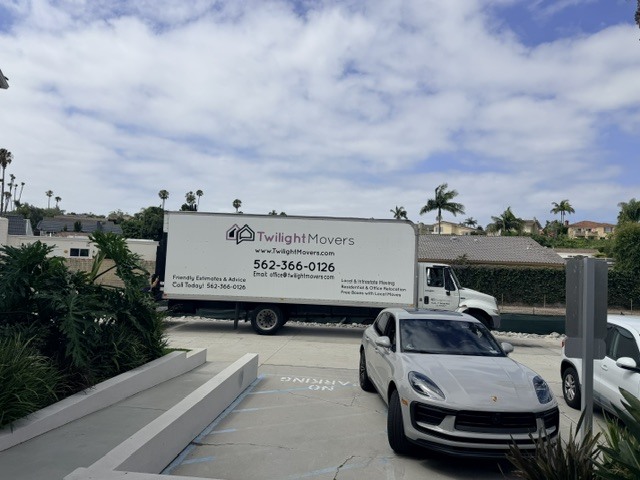
Simple staging measures — cleared walkways, labeled boxes, and an essentials kit — help the crew work more efficiently and often reduce the total onsite time, which can lower your final bill if you’re being charged by the hour.
| Preparation TaskBenefit for YouService Level | ||
| Decluttering | Lower moving costs | Standard |
| Labeling Boxes | Faster unpacking | DIY |
| Securing Valuables | Peace of mind | Professional packing services |
| Clearing Walkways | Increased safety | Moving company Long Beach |
When you request a quote, ask about the expected loading/unloading timeline for your specific move size and whether the estimate accounts for elevator waits or long carries — that helps you compare quotes more accurately. If you want a firm window or the crew to start earlier/later, discuss scheduling options in advance when you get quote so the team can plan accordingly.
Common Mistakes to Avoid When Hiring Moving Services
The success of your move is decided well before the truck rolls up. Rushing the planning or skipping key checks often leads to stress, unexpected charges, or damaged items. Below are common pitfalls and simple ways to avoid them.
1. Skipping a written estimate. Verbal promises can be misunderstood. Always request a clear, written quote that itemizes labor, truck time, mileage, packing materials, and any potential extra charges like long carries, stair fees, or required permits. In California, estimates may be binding or non-binding — ask the company which they issue and get it in writing.
2. Using the wrong crew for a business relocation. Office moves require different planning and equipment than household moves. Hiring residential movers for complex office relocation can cause unnecessary downtime and equipment damage. For commercial moves, choose experienced office movers who offer staged moving, IT coordination, and minimal-disruption schedules.
3. Skipping background checks and credential verification. Verify licenses, insurance, and local registrations. Confirm the mover’s insurance covers cargo and general liability. Check online reviews and ask for references from recent customers to ensure the company has a history of reliable service.
4. Booking at the last minute. Waiting until the last week—or day—limits your options and often raises pricing. Early booking secures your date, gives time for accurate estimates, and generally lowers the final cost. For busy seasons (summer, month-end, weekends), lock in your move several weeks ahead.
| Common MistakePotential ConsequenceBest Practice | ||
| Ignoring written estimates | Hidden fees and budget overruns | Request a detailed, signed quote |
| Using residential movers for business | Operational delays and damage | Hire experienced office movers |
| Skipping background checks | Unreliable service or safety risks | Verify licenses and insurance |
| Last-minute booking | Higher rates and limited availability | Schedule your move well in advance |
Quick script for vetting during an estimate call
- How do you calculate the total price (hourly, flat rate, per-item)?
- Is this a binding estimate or an estimate subject to change? What scenarios change the price?
- What insurance and valuation options do you provide for damaged items?
- Are packing materials and protective padding included or an extra fee?
- What additional fees should I expect for stairs, long carries, elevator waits, or permits?
How to compare multiple quotes (apples-to-apples)
When you receive several quotes, make a comparison table that lists whether each includes:
- Labor hours and crew size
- Truck size and mileage
- Packing services and supplies
- Furniture disassembly/reassembly
- Insurance/valuation level and deductible
- Potential extra fees (stair/long carry/elevator reservation)
Cost-savings example: decluttering one bedroom before moving can reduce the volume of boxes and labor. If a crew charges by the hour, removing a day’s worth of packed boxes could cut several hundred dollars from the final bill — and reduce packing time if you’re using partial packing services.
Bottom line: a low headline price often excludes important services or adds fees later. Prioritize clear, written estimates and a transparent explanation of what’s included so you can pick the best company for your move.
Evaluating Customer Reviews and Reputation
When you’re comparing local moving companies, customer reviews are one of the best tools you have. But star ratings alone don’t tell the whole story — read the written reviews for patterns that reveal how a company actually performs on moving day.
Look for these markers of reliable service:
- Punctuality: Multiple mentions of crews arriving on time and sticking to the schedule show dependable logistics and planning.
- Professionalism: Notes about clear communication, respectful crews, and helpful supervisors suggest a company that values customer experience.
- Careful handling: Reviews that call out well-protected furniture, no-scratch deliveries, and careful packing indicate a team that prioritizes protection.
- Problem resolution: Pay attention to how the company responds to complaints — a constructive reply and a follow-up solution is a sign of accountability.
Where to check: start with Google and Yelp for volume and recency, the Better Business Bureau for formal complaints and responses, and local Facebook groups or neighborhood forums for first-hand anecdotes. When reading feedback, look for recurring themes (good or bad) rather than a single glowing or critical post.
Red-flag review examples to watch for:
- Multiple reviews mentioning the same hidden fee (e.g., unexplained “stair” charges or last-minute add-ons).
- Repeated reports of missed arrival windows or crews showing up understaffed.
- Unresolved damage claims where the customer reports difficulty reaching a claims representative.
The Twilight Movers Difference Since 2017
Experience matters in moving. Twilight Movers has served Long Beach and surrounding Southern California neighborhoods since 2017, focusing on residential and apartment moves as well as commercial relocations. That local track record means crews familiar with area logistics, common building requirements, and the packing practices that protect customers’ belongings.
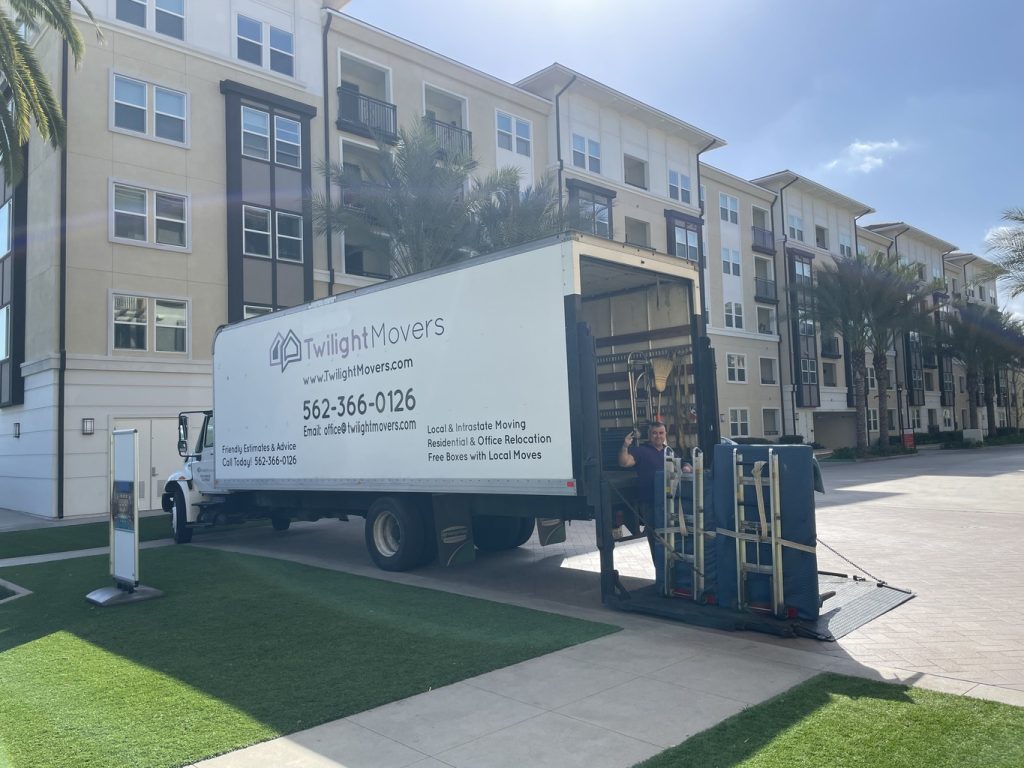
Instead of promises, look for evidence: consistent positive mentions from customers about punctuality, careful handling, and transparent billing. If a company highlights awards, certifications, or long-term client relationships, verify those claims in public profiles and ask for references when you request an estimate.
Bottom line: use reviews to build a shortlist, then validate that list by checking credentials, insurance, and recent customer feedback. That combination — verified experience plus strong, consistent reviews — is the best indicator you’ve chosen a reputable movers long beach residents trust.
Transparent Pricing and Avoiding Hidden Fees
Transparent pricing is one of the easiest ways to reduce moving-day anxiety. When you’re comparing a moving company Long Beach or other local options, insist on a written estimate that breaks down labor, truck time, packing materials, and any potential extra charges. That clarity helps you budget and prevents unpleasant surprises on the final invoice.
How to read an estimate — the quick checklist:
- Pricing basis: is the quote hourly, flat-rate, per-room, or per-box?
- Crew and truck: how many movers and what truck size are included?
- Included services: packing, unpacking, furniture disassembly/reassembly, padding, and protective floor coverings.
- Potential extras: stair fees, long-carry charges, elevator/wait time, permits, mileage, and fuel surcharges.
- Insurance/valuation: what level of coverage is included and what are the optional upgrades?
| Service CategoryTransparent PricingHidden Fee Risk | ||
| Local Moving | Hourly with clear crew/truck details | Unstated fuel or mileage surcharges |
| Packing Services | Per-box or per-hour pricing with supply list | Material markups or “per-item” surprises |
| Equipment Use | Included in quote (dollies, pads, straps) | Rental add-ons for special equipment |
| Final Billing | Detailed invoice matching estimate | Unexplained taxes or after-the-fact fees |
Typical cost drivers to watch for:
- Move size and total volume (more items = more time).
- Access challenges (stairs, long carries, narrow hallways).
- Schedule constraints (weekend or end-of-month moves are often pricier).
- Packing level (full-service packing costs more than fragile-only or DIY).
Planning Your Move Timeline for Maximum Efficiency
A realistic timeline reduces rushed decisions and last-minute fees. Book your preferred date several weeks in advance, especially for busy periods. For office relocations, earlier planning is critical to minimize downtime and coordinate IT and furniture reassembly.
Suggested timeline (local move):
- 4–8 weeks out: get estimates from 2–3 moving companies and verify licenses/insurance.
- 2–4 weeks out: finalize the move date, reserve elevator/loading windows, and order packing supplies or book packing services.
- 1 week out: confirm arrival window, crew size, and list of high-value items; declutter to reduce volume.
- Moving day: follow the agreed plan and keep important documents and valuables with you.
Key steps to stay on track:
- Book early to lock in rates and crew availability.
- Inventory items to get accurate estimates and avoid surprise charges.
- Coordinate logistics with building management for office movers and apartment moves.
- Label boxes clearly so loading/unloading is efficient.
How to Get a Quote — What to Provide
When you request a quote or get quote online, have the following ready for a faster, more accurate response:
- Pickup and delivery addresses, floor/unit numbers, and parking details.
- Approximate inventory or number of rooms (or photos/video for a virtual estimate).
- Any access issues: stairs, long carries, narrow doors, or elevator restrictions.
- Preferred move date and any timing constraints (weekend, night move, or staged move).
- Requests for packing services, storage, or special handling for pianos/art.
Many companies return estimates within 24–72 hours; ask whether the quote is binding, non-binding, or binding only on acceptance. If comparing long-distance moving vs. local moving, remember long-distance quotes often rely on weight and federal tariffs, while local moves are typically hourly.
Storage, Long-Distance Moves, and Additional Services
If you need storage, ask whether short-term or climate-controlled options are available and whether storage is priced separately. For long-distance moving, expect pricing to follow federal guidelines (weight-based and sometimes distance-based) and require different documentation than local moves.
Always confirm whether packing materials, protective padding, furniture disassembly/reassembly, and fuel are included in the estimate or added as separate line items.
Conclusion
Transparent pricing and careful planning make a sizable difference in both cost and stress during a move. Compare detailed written estimates, verify what’s included, and confirm timelines and access requirements. That approach helps you choose a reputable moving company and keeps your budget on track.
When you’re ready, request a written estimate that includes crew size, truck type, packing options, and any likely extra charges. If you’d like a practical planning tool, ask for a moving checklist or a sample timeline when you get quote — it’s a helpful way to compare companies and prepare for a smooth relocation.